
TECHNICAL THEATRE PROGRAM OVERVIEW
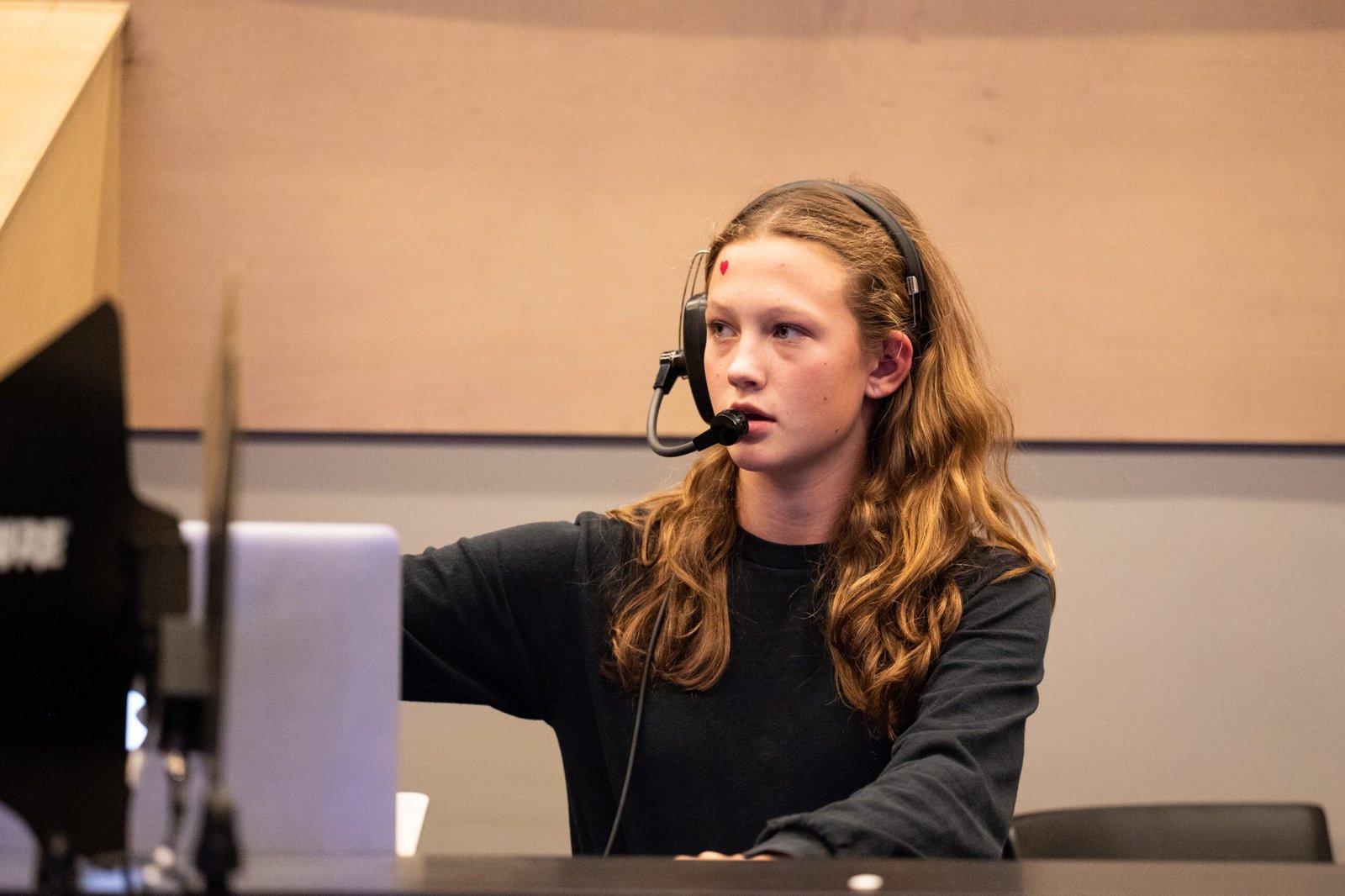
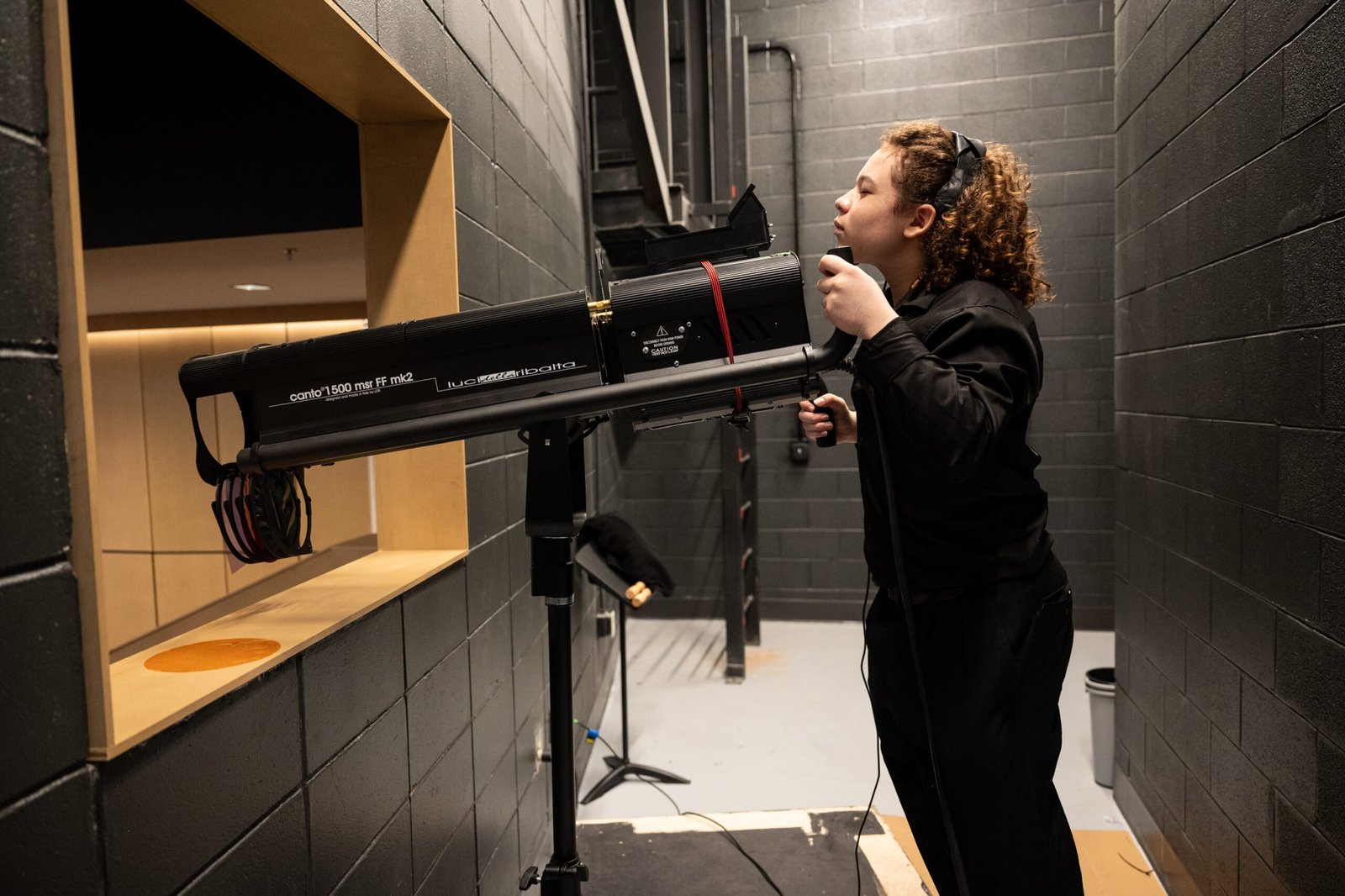
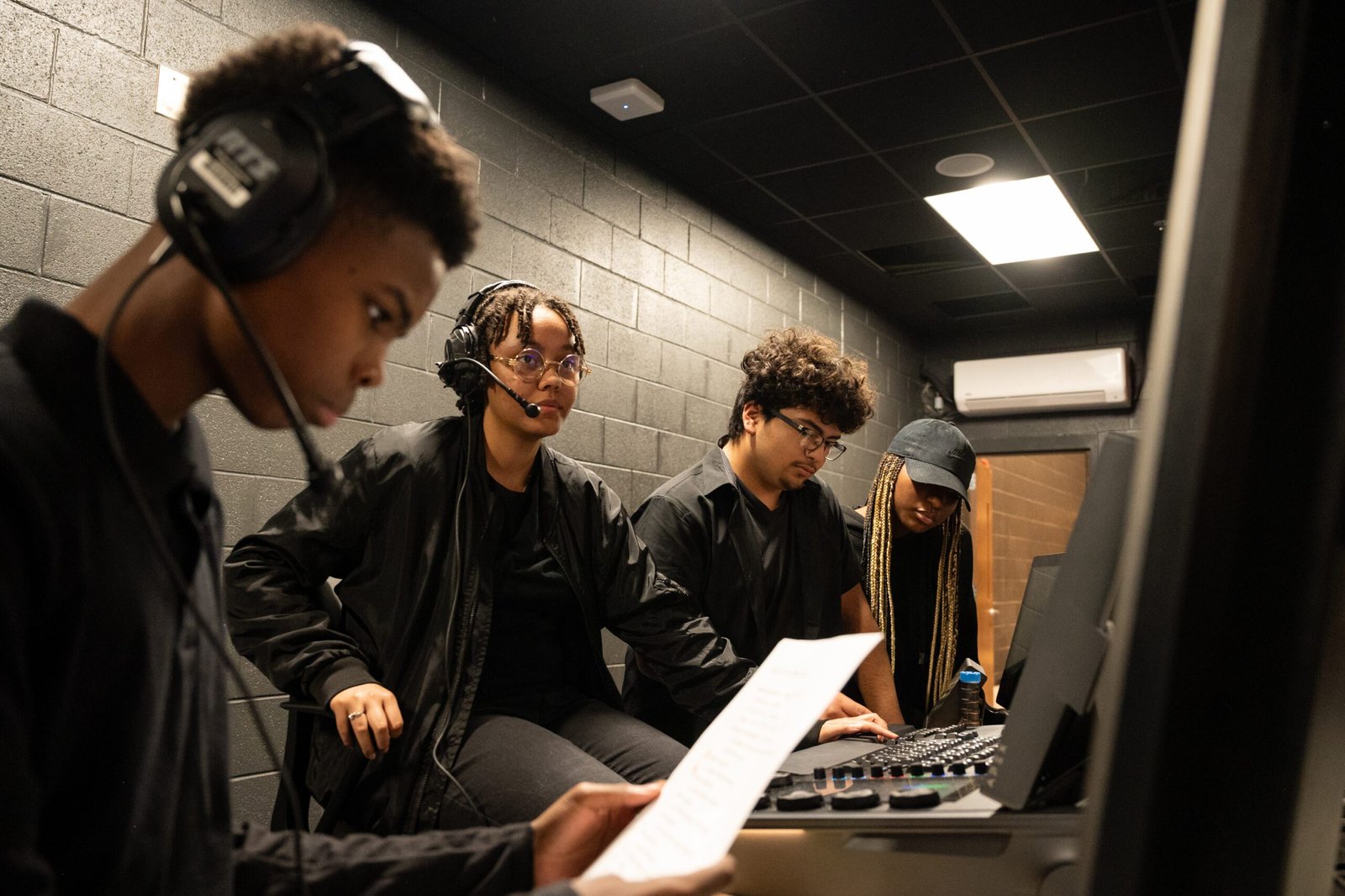
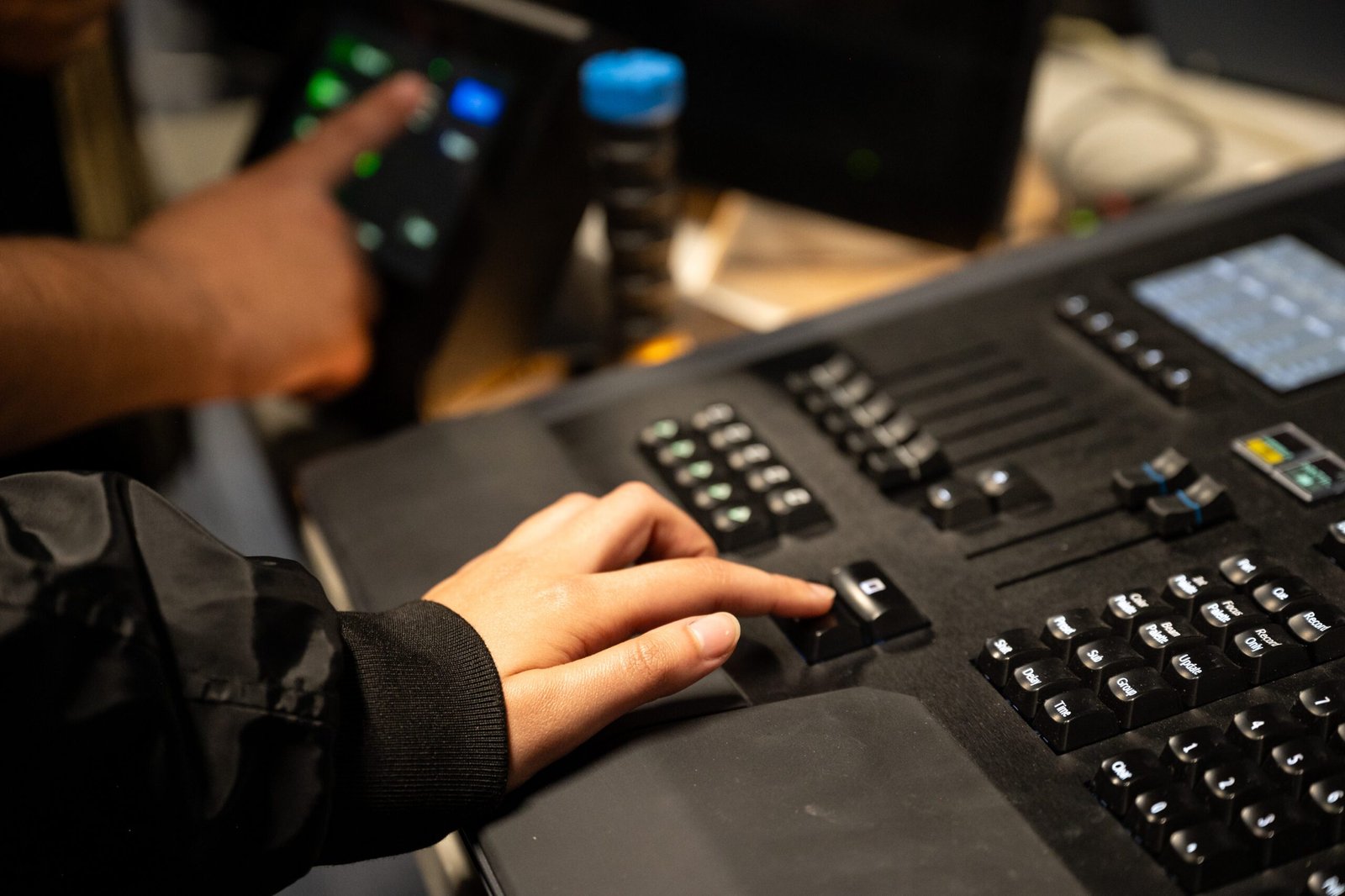
CCCEPA’s Technical Theatre Department offers professional training in live entertainment design and production. The program equips students with the skills needed to pursue careers in the industry, focusing on lighting, sound design, technical direction, set design and construction, costume design, wig and makeup design, stage properties, and stage management. Using state-of-the-art equipment and contemporary teaching methods, students gain hands-on experience through professionally produced events in the 750-seat New Mainstage Theatre, Reece Theatre, and Wilson Studio Theatre.
Students will graduate with a complete portfolio and the knowledge to pursue advanced degrees at top colleges or enter the industry as professional technicians. Technical theatre graduates from CCCEPA work with professional theaters, opera companies, and cruise lines worldwide.
Learning Outcomes
Technical Theatre students will:
- Develop a strong foundation in lighting, sound, stagecraft, and costumes.
- Apply design principles and composition to the production process.
- Prioritize safety and professionalism, ensuring a safe working environment for themselves, others, and the equipment.
- Learn how to identify and pursue career opportunities in the industry.
TECH CLASS LEVELS
- Beginning Technical Theatre: Designed for students with no prior technical theatre experience. Topics include stage parts, theatre equipment, tools, materials, basic stagecraft, and the fundamentals of lighting and sound equipment and design.
- Intermediate Technical Theatre: For students who have completed Beginning Technical Theatre. This hands-on, project-based course deepens technical skills by creating scenery, lighting, sound systems, and other production elements. Students also learn scenic, lighting, sound, and costume design fundamentals.
- Advanced Technical Theatre: For students interested in a career in technical production or further study at a technical school, junior college, or four-year institution. Advanced students take leadership roles in productions and focus on production design opportunities.
PORTFOLIOS
Each year, students create a portfolio to showcase their design and production work. The portfolio is used for university admissions, job applications, and progress evaluations during semester juries. Portfolios should be created in PowerPoint or Keynote and include at least four pages of work for each year of technical theatre completed.
Students should document their work throughout the year and store photos and artifacts digitally (e.g., on a thumb drive, cloud service, or external storage).
TECHNICAL THEATRE JURY
At the end of each semester, students participate in a jury where they review their portfolios with faculty. The jury evaluates their classwork, production work, portfolio, and overall commitment to the program, contributing to their progress and placement within the technical theatre program.
PERSONAL SAFETY EQUIPMENT
Safety is the top priority in all technical theatre activities. All students and staff are required to protect themselves, others, and the equipment.
Required personal protective equipment (PPE) includes:
- Eye Protection: Safety glasses, goggles, or face shields (ANSI-rated) required when operating tools or working in the vicinity of others using power tools.
- Hearing Protection: Non-electronic ear protection (earplugs or earmuffs with a noise reduction rating of at least 25dB) must be worn during tool operation.
- Work Gloves: Tight-fitting gloves for handling construction materials or hot items, but not when operating machinery.
- Footwear: Closed-toe shoes or boots are required; sandals, flip-flops, or slippers are prohibited.
- Work Clothes: Appropriate attire for the stage or shop, avoiding loose clothing or jewelry. Long sleeves should be rolled or buttoned at the cuffs. “Shop clothes” should be available for activities such as painting or operating tools.
- Backstage Blacks: During performances, all backstage personnel must wear black clothing with minimal logos or white writing.
SAFETY PRACTICES FOR EQUIPMENT AND FACILITIES
- Only trained students may use tools and equipment.
- Students must not enter unauthorized areas without permission.
- Tools and equipment must be returned to proper locations after use.
- Power tools may only be operated under the supervision of the technical director.
- Ladders, lifts, and areas above the stage floor may only be accessed with permission.
REQUIRED TOOLS AND SUPPLIES
- Beginning Technical Theatre: Safety goggles, earmuffs or foam earplugs, mechanic or nitrile gloves, mechanical pencils, notepad, permanent markers, 3-ring binder, USB flash drive (16GB+).
- Intermediate and Advanced Technical Theatre: In addition to the above, students are required to have an adjustable wrench, a 25’ tape measure, Robertson bits, and an architect’s tri-scale ruler.
DRESS CODE (CLASS AND CREW)
- Footwear: Closed-toe shoes or boots only; sandals, clogs, crocs, flip-flops, or slippers are not allowed.
- Work Clothes: Avoid loose-fitting clothing, scarves, ties, or jewelry. Long sleeves should be rolled or buttoned at the cuffs. Students should wear durable clothing that can withstand the rigors of the work. NO TANK TOPS OR SHIRT THAT DO NOT COME TO THE WAIST OF THE PANT. NO SKIRTS, SHORTS OR DRESSES.
- Backstage Blacks: All backstage personnel must wear all black clothing with minimal white or light-colored writing.
STUDENT EXPECTATIONS
Students are expected to:
- Follow safety procedures and always remain alert.
- Protect themselves, others, and the equipment.
- Actively participate in production work and apply for crew positions.
- Attend performances when not on crew.
- Maintain all required safety equipment and tools.
- Respect each other and the work.
CREW POSITIONS
All students must participate in at least one production each school year. This includes plays, musicals, dance concerts, vocal concerts, and other events outside the regular school day. Crew applications are released 2-4 weeks before primary productions, and students are required to apply for one primary production per semester. Crew assignments are not guaranteed.
For secondary productions (e.g., concerts, community events, class presentations), students must sign up for at least one, with advanced students required to sign up for two.
OUTSIDE VOLUNTEER OR PAID WORK
While CCCEPA students may receive outside offers for volunteer or paid work, they must adhere to the “Learn or Earn” philosophy. Students should not perform free labor for “exposure” or “community service hours.” Volunteer or intern opportunities should provide educational or financial benefits, with appropriate mentorship and compensation. CCCEPA students are expected to prioritize CCCEPA productions over external opportunities.
